Gluten-Free at a Summer Cookout: The Survival Guide
Quick Answer: The meat is rarely the problem - the marinade and the grill traffic are. Soy sauce, beer, and malt-based sauces smuggle gluten into otherwise safe food, and buns toasted on the grate leave crumbs where your burger lands next. The playbook: text the host the day before, ask two specific questions (what is in the marinade, and did bread touch the grill), claim a foil-covered corner of the grate, bring one guaranteed-safe dish that anchors your plate, and pack your own buns.
A cookout is simultaneously the easiest and hardest event on the gluten-free calendar. Easiest, because the core menu - grilled protein, corn, salads, watermelon - is naturally close to safe. Hardest, because it all happens on shared surfaces, in shared bowls, under casual summer rules where nobody reads a label.
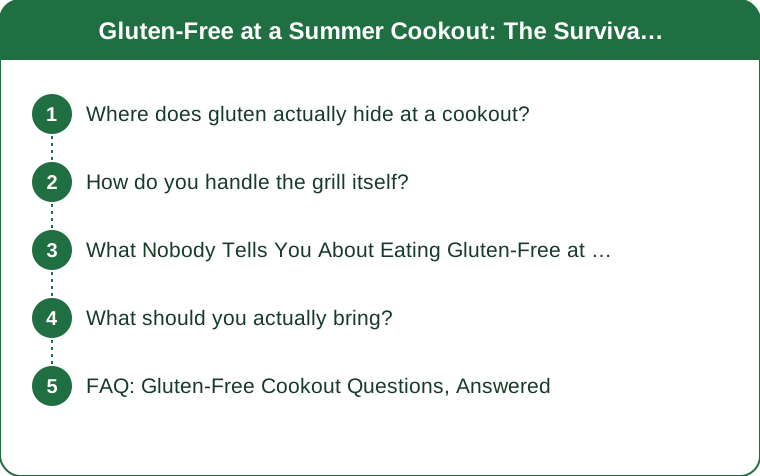
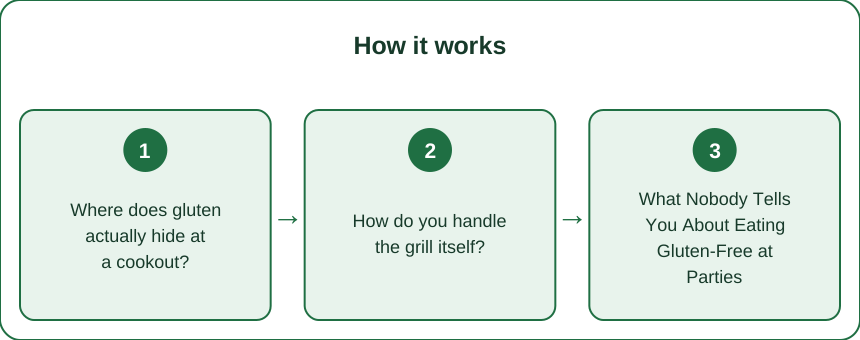
Where does gluten actually hide at a cookout?
Not where the nervous energy goes. The burger patty is usually innocent; its supporting cast is not.
Marinades and sauces are hazard number one. Regular soy sauce is wheat-based, teriyaki doubles down on it, many bottled barbecue sauces and dressings use malt vinegar or wheat-derived thickeners, and beer shows up in brats, mop sauces, and beer-can chicken. A perfectly safe cut of chicken becomes off-limits in the bag it marinated in overnight.
Seasoning blends surprise people. Some spice mixes and rubs use wheat flour or malted ingredients as carriers. Single spices are safe; mystery blends deserve the label check.
The grill grate carries traffic. Garlic bread, buttered buns, and quesadillas toasted on the grate leave residue and crumbs on the bars where the next food lands. This is the classic cross-contact route at a cookout, and it is invisible once the buns are gone.
Shared utensils shuttle crumbs. The tongs that turned the bratwurst nestled in its bun, the spatula that pressed the cheese onto a bun-topped burger, the knife that cut the garlic bread and then the watermelon.
And the serving table is a light crumb rain. The condiment knife that visited the regular buns before the mustard jar, the chip hand that dips into the guacamole, the pasta salad spoon resting across the fruit bowl. None of it is malicious - it is just a table doing what tables do at parties.
Reality check on scale: for someone with celiac disease, small cross-contact exposures genuinely matter and warrant the full playbook. For someone avoiding gluten by preference, the marinade-and-sauce tier matters far more than the crumb tier. Know which game you are playing and calibrate accordingly.
How do you handle the grill itself?
With one square foot of diplomacy and a roll of foil.
Heat is not a decontamination cycle. A blazing grill chars residue, but flakes and crumbs survive on bars, in corners, and on the warming rack. If garlic bread has been through, assume the grate carries evidence.
The foil corner solves it completely. A doubled sheet of heavy-duty foil over one corner of the grate creates a private cooking surface in ten seconds. Your protein and corn cook there, untouched by the grate’s history. Zero drama, zero scrubbing request, and hosts are almost universally relieved that the accommodation is this easy.
Timing is the free upgrade. Food that hits the grill early - before the bun-toasting phase begins - cooks on the cleanest surface of the day. Asking the host to throw yours on first is a one-sentence request that eliminates the whole crumb timeline.
Dedicated tongs for the foil zone. Bring or borrow a second pair, and the shuttle problem disappears with them.
The two questions that cover ninety percent of risk: what went into the marinade or rub, and has bread been on the grate. Asked while the host is relaxed - not mid-flip over a flaming grill - both get accurate answers and neither reads as an interrogation.
And the day-before text is the real power move. Something like: excited for Saturday - quick heads-up that I am gluten-free, totally handled, I will bring a dish and my own buns, just might ask for a corner of the grill. It gives the host time to be thoughtful without pressure to become a specialist, and it converts the day-of conversation from negotiation to logistics.
What Nobody Tells You About Eating Gluten-Free at Parties
Outdoor casualness lowers everyone’s label-reading guard. The same friend who diligently checks ingredients for your dinner party will hand you a mystery-marinade skewer at a cookout, because paper plates and sunshine make everything feel low-stakes. The setting changed; the ingredients did not. Keep your own guard at indoor levels.
Bringing a dish is not a courtesy - it is the strategy. One substantial, guaranteed-safe item you genuinely like anchors your entire plate. Make it good enough that everyone wants it and it doubles as social proof that gluten-free food is just food. A great corn-and-black-bean salad disappears in twenty minutes and answers questions before they are asked.
Position in the buffet line matters. Going early - or serving yourself from dishes before serving spoons begin migrating - means cleaner bowls and intact spoon assignments. The second hour of a buffet is a crumb ecosystem.
Your buns travel in a labeled bag with a designated spot. Gluten-free buns left loose on the bread plate get used by a well-meaning guest in ninety seconds. A zip bag with your name on it, parked by your chair, survives the evening.
Say the medical word if the medical word applies. For celiac disease, the phrase - it is a medical thing, small amounts genuinely make me sick - recruits allies instantly and converts eye-rolls into cooperation. Vague phrasing invites vague handling.
The drink cooler has its own rules. Beer is out; hard seltzers, wine, and ciders are generally in; for anything canned and flavored, one glance at the label settles it. The safe list at a summer cookout is long enough that nobody goes thirsty.
And skip the apology reflex. One clear sentence of logistics beats five of sorry. Hosts handle confident and specific far more easily than sheepish and vague.
What should you actually bring?
Four slots, chosen for maximum coverage per container.
Slot one: the anchor dish. Substantial enough to build a plate on if everything else fails - a big grain salad on rice or quinoa, a loaded potato salad (mayo-based dressings are naturally safe; just make it with clean utensils), or a corn-black-bean-avocado situation with lime dressing. This is dinner insurance disguised as a contribution.
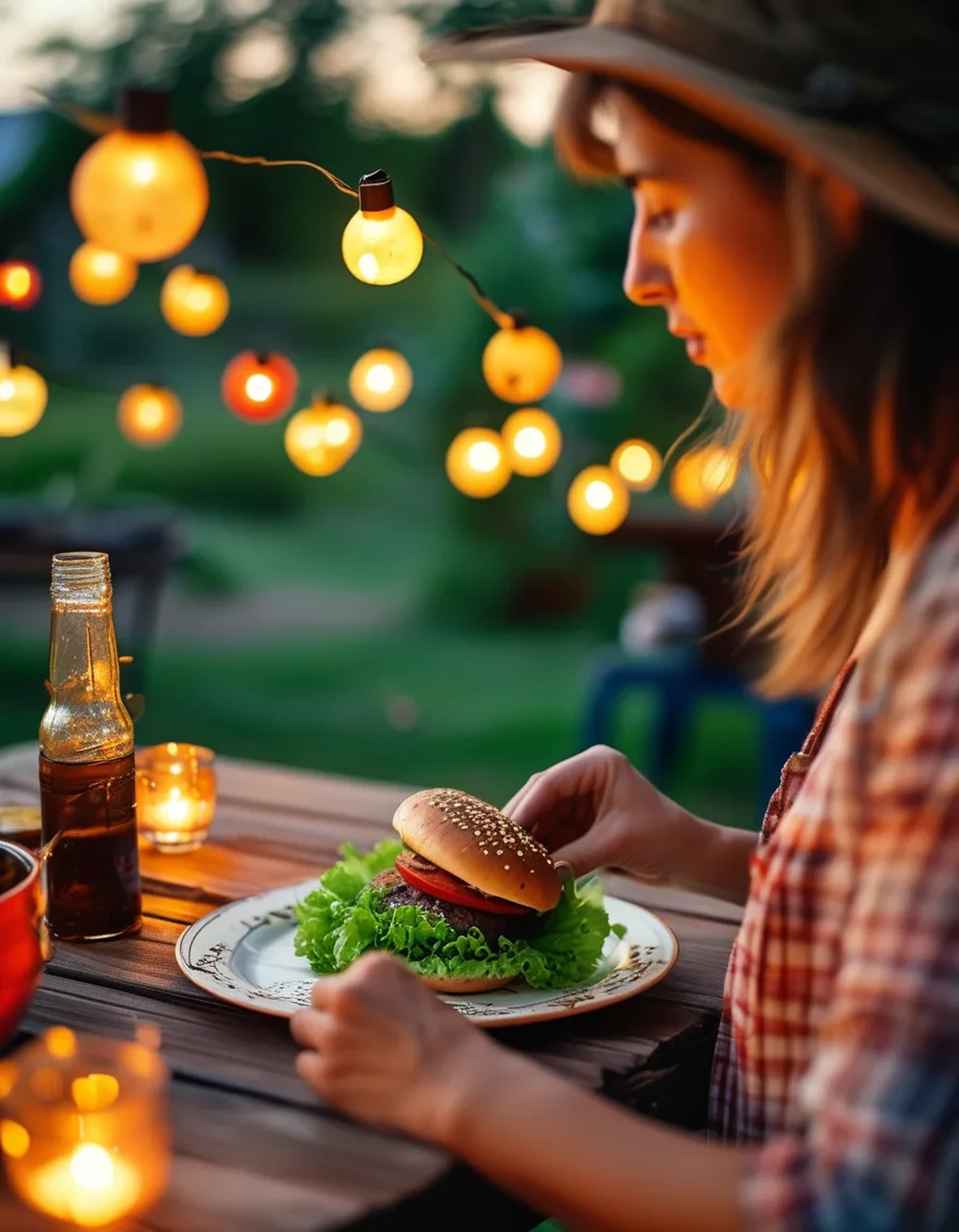
Slot two: your bread, sorted. Two gluten-free buns in a labeled zip bag, toasted at home if texture matters to you - many are dramatically better toasted, and the foil corner can warm them on-site. Lettuce wraps are the zero-prep fallback and honestly excellent in August.
Slot three: a sauce you trust. A small bottle of certified-safe barbecue sauce or a homemade chimichurri covers the it-is-all-in-the-mystery-sauce scenario and upgrades plain grilled chicken into a meal. Condiment autonomy is quiet power.
Slot four: a dessert that happens to be gluten-free. Flourless chocolate brownies, a fruit crisp with oat-and-almond topping made from certified oats, or the eternally undefeated watermelon. Dessert is where gluten-free guests most often end up watching others eat; closing that gap yourself is worth the twenty minutes of baking.
The whole kit fits in one tote - dish, buns, sauce, dessert, plus a spare set of tongs and a fold of heavy-duty foil. Call it the cookout go-bag and stop re-planning it each time.
And a note on the naturally safe center of the table: plain grilled meats, corn on the cob, most cheeses, fruit, and anything you watched come off your foil corner. The list of what works is genuinely long - the skill is just knowing which five things to verify.
FAQ: Gluten-Free Cookout Questions, Answered
Can celiacs eat food from a shared grill?
The safest pattern is a foil-covered zone plus dedicated tongs, which removes the question entirely for ten seconds of setup. Grate residue from toasted buns and marinated items is a real cross-contact route, and heat alone does not clear it. For celiac disease the foil corner is worth the minor ceremony every single time.
Is grilled meat gluten-free?
Plain meat, yes. The risk arrives with marinades (soy sauce, teriyaki, beer), seasoning blends with flour or malt carriers, and sauces mopped on during cooking. Ask what went into the marinade before assuming - a one-ingredient answer like salt and pepper is a green light.
Which drinks at a cookout are safe?
Wine, hard seltzers, ciders, and plain spirits are generally gluten-free; conventional beer is not. Flavored canned cocktails vary, so the label gets one glance. The practical move is claiming a seltzer flavor early, because the safe options at summer parties are plentiful.
How do I ask the host without making it a whole thing?
Text the day before with the three-part formula: the heads-up, the reassurance, the ask. I am gluten-free, it is totally handled, I will bring a dish and my own buns - could I grab a foil corner of the grill? Advance notice plus low demands plus a contribution reads as considerate, not complicated.
TL;DR:
- The meat is innocent; marinades (soy, teriyaki, beer) and bun-toasted grates are the real risks.
- Foil corner plus dedicated tongs equals a private grill in ten seconds - and go before the buns do.
- Text the host the day before: heads-up, reassurance, small ask. Bring an anchor dish you love.
- Buns travel in a labeled zip bag; lettuce wraps are the undefeated fallback.
- Seltzer, wine, and cider are in; beer is out; flavored cans get a label glance.
A cookout is naturally eighty percent safe territory. The survival guide is just knowing which twenty percent to check - and bringing brownies so good nobody remembers they were gluten-free.
Keep Reading
This article is for general informational purposes only and is not medical advice. Always consult a qualified health professional for guidance specific to you.