The Cross-Contamination Sources in a Shared Gluten-Free Kitchen That Aren't the Obvious Ones
Cross-contamination advice for a shared gluten-eating and gluten-free household usually covers the obvious sources — shared cutting boards, a single toaster — and misses several other genuinely common sources that keep causing symptoms even after the obvious ones get addressed. Here are the specific overlooked sources and how to actually manage a shared kitchen. This is general information, not medical advice.

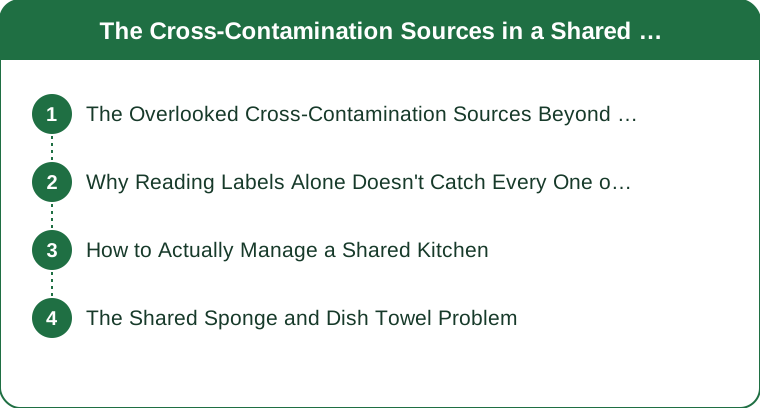
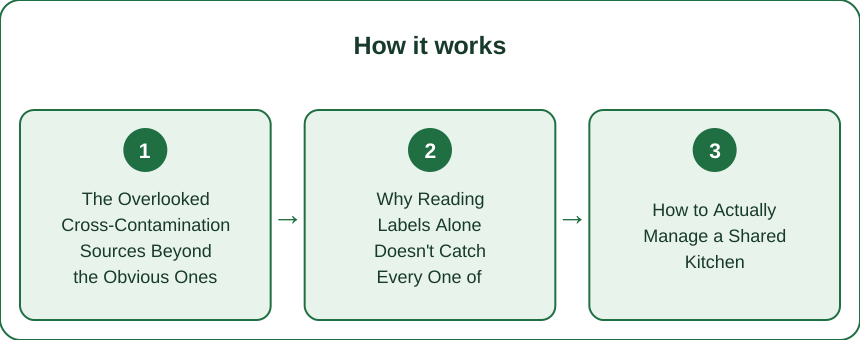
The Overlooked Cross-Contamination Sources Beyond the Obvious Ones
What actually gets missed: the shared-condiment-jars-where-a-knife-touches-both-gluten-bread-and-the-jar-repeatedly (the shared butter, jam, mayonnaise and similar condiment containers repeatedly getting a knife dipped in after touching regular bread, transferring crumbs directly into the shared jar over time, per the cross-contamination-at-home-guide logic — the shared-condiment-jars-are-one-of-the-most-commonly-missed-ongoing-cross-contamination-sources-in-a-mixed-household), the the-wooden-cutting-boards-and-utensils-retain-gluten-residue-in-a-way-that-plastic-or-metal-generally-dont (the porous wooden cutting boards and wooden utensils absorbing and retaining trace gluten residue in their surface in a way non-porous materials generally don’t, meaning even a washed wooden board can carry residual contamination — the porous-wooden-surfaces-retain-gluten-residue-even-after-washing-in-a-way-non-porous-materials-generally-dont), the the-flour-dust-in-the-air-during-baking-settling-on-nearby-surfaces-and-open-food (the airborne flour particles during baking or bread-making settling onto nearby countertops, open containers, and even food left uncovered nearby, a source that has nothing to do with direct cookware sharing at all — the airborne-flour-dust-during-baking-is-a-genuine-contamination-pathway-entirely-separate-from-shared-cookware), the the-shared-fryer-oil-or-a-single-strainer-used-for-multiple-fried-food-types (the shared frying oil or a strainer used across both gluten-containing and gluten-free fried items being a significant and sometimes overlooked contamination source specifically in households that fry food regularly — the shared-fryer-oil-or-strainer-across-different-fried-food-types-is-a-significant-often-overlooked-source-in-households-that-fry-regularly), and the frame (the overlooked sources as shared condiment jars, porous wooden cutting boards and utensils, airborne flour dust during baking, and shared fryer oil or strainers — genuine, common contamination pathways that persist even after the more obvious sources get addressed).
Why Reading Labels Alone Doesn’t Catch Every One of These Sources
The gap labels leave: the ingredient-labels-tell-you-whats-in-a-product-not-whether-it-touched-gluten-during-shared-kitchen-use (the packaged food ingredient label only ever describing the product’s own composition, with no way to reflect what may have touched it afterward in a shared home kitchen, meaning label reading alone can’t catch any of the specific sources described above — the ingredient-labels-describe-original-composition-only-and-have-no-way-to-reflect-later-shared-kitchen-cross-contact), the the-these-sources-are-specifically-a-household-practice-problem-not-a-purchasing-decision-problem (the sources discussed here all originating from shared household use after a product is already brought home, meaning no amount of careful label-reading at the store addresses them — the sources-described-here-originate-entirely-from-shared-household-use-after-purchase-not-from-anything-a-label-could-warn-about), and the frame (the gap as ingredient labels only ever describing original product composition, with the actual sources here arising entirely from shared household practices afterward — a reminder that label vigilance and kitchen practice vigilance are two separate, both-necessary tasks).

How to Actually Manage a Shared Kitchen
The practical system: the use-separate-designated-condiment-jars-or-squeeze-bottles-for-gluten-free-use-specifically (the maintaining a separate, clearly labeled jar or squeeze-format condiment specifically for gluten-free use, directly solving the shared-jar contamination pathway — the separate-labeled-condiment-containers-directly-solve-the-shared-jar-contamination-pathway), the the-designate-non-porous-cutting-boards-and-utensils-specifically-for-gluten-free-food-prep (the using dedicated plastic or other non-porous cutting boards and utensils for gluten-free prep specifically, avoiding the residue-retention issue that porous wood surfaces carry — the dedicated-non-porous-cutting-boards-and-utensils-avoid-the-residue-retention-issue-that-wood-specifically-carries), the the-time-or-separate-baking-activities-to-reduce-airborne-flour-exposure-to-gluten-free-food-and-surfaces (the covering nearby gluten-free food and cleaning nearby surfaces after any flour-based baking, or timing baking activities separately, specifically addressing the airborne dust pathway, per the gluten-free-baking-science-guide logic — the covering-nearby-food-and-cleaning-surfaces-after-baking-specifically-addresses-the-airborne-flour-dust-pathway), the the-maintain-a-separate-dedicated-fryer-or-fry-gluten-free-items-first-before-any-gluten-containing-items-if-sharing-oil-is-unavoidable (the using a fully separate fryer for gluten-free items when feasible, or at minimum frying gluten-free items first in shared oil before any gluten-containing items go in, per the gluten-free-eating-on-a-budget-guide practical logic — the a-separate-fryer-or-frying-gluten-free-items-first-in-shared-oil-directly-addresses-the-fryer-oil-contamination-pathway), and the transition (the management system as separate condiment containers, dedicated non-porous cutting boards, managing airborne flour dust, and fryer oil separation — with sponges and dish towels deserving a specific mention of their own).
The Shared Sponge and Dish Towel Problem
One more overlooked source: the a-single-shared-sponge-or-dish-towel-used-on-both-gluten-containing-and-gluten-free-dishes-recontaminates-already-clean-items (the same sponge or dish towel used to wash or dry both gluten-containing and gluten-free dishware transferring trace residue right back onto items that were just properly cleaned, effectively undoing the careful separation practiced everywhere else in the kitchen — the a-single-shared-sponge-or-towel-used-across-both-dish-types-can-recontaminate-items-immediately-after-theyve-been-properly-cleaned), the maintaining-a-separate-color-coded-sponge-and-towel-specifically-for-gluten-free-dishware-closes-this-gap (the keeping a distinctly colored, clearly designated sponge and towel used exclusively for gluten-free dishware closing this specific and easily overlooked gap, per the cross-contamination-at-home-guide logic — the a-separate-color-coded-sponge-and-towel-for-gluten-free-dishware-specifically-closes-a-gap-that-otherwise-undoes-careful-separation-elsewhere-in-the-kitchen), and the frame (the overlooked cleanup step as recognizing a shared sponge or towel can recontaminate already-cleaned dishware, and closing that gap with a separate, clearly color-coded sponge and towel reserved specifically for gluten-free items. This is general information, not medical advice.)
Cross-contamination risk in a mixed gluten-eating and gluten-free household extends well beyond the commonly discussed shared cutting boards and toaster — shared condiment jars repeatedly get a knife dipped in after touching regular bread, porous wooden cutting boards and utensils retain trace gluten residue even after washing in a way non-porous materials don’t, airborne flour dust during baking settles onto nearby countertops and uncovered food entirely independent of any shared cookware, and shared fryer oil or a shared strainer across different fried food types is a significant source specifically in households that fry regularly. Managing a shared kitchen fully means maintaining separate labeled condiment containers specifically for gluten-free use, dedicating non-porous cutting boards and utensils to gluten-free prep, covering nearby food and cleaning surfaces around baking activities, and using a separate fryer or frying order when oil must be shared. One more easily overlooked source is a shared sponge or dish towel used on both dish types, which can recontaminate items immediately after they’ve been properly cleaned — keeping a separate, clearly color-coded sponge and towel reserved specifically for gluten-free dishware closes this gap. This is general information, not medical advice.
Keep Reading
This article is for general informational purposes only and is not medical advice. Always consult a qualified health professional for guidance specific to you.