The Gluten-Free Flour Substitution Ratio That Actually Works (Not 1:1)
Quick Answer: A straight 1:1 swap of gluten-free flour for wheat flour often fails because gluten-free blends behave differently — use a blend specifically labeled ‘1:1 baking’ (which already includes binders), or add xanthan gum (about 1/4 tsp per cup) to a plain gluten-free flour mix.
You swapped in gluten-free flour, followed the rest of the recipe exactly, and got something crumbly, gummy, or both. The recipe wasn’t wrong — a plain flour swap without accounting for gluten’s structural role almost never works cleanly.

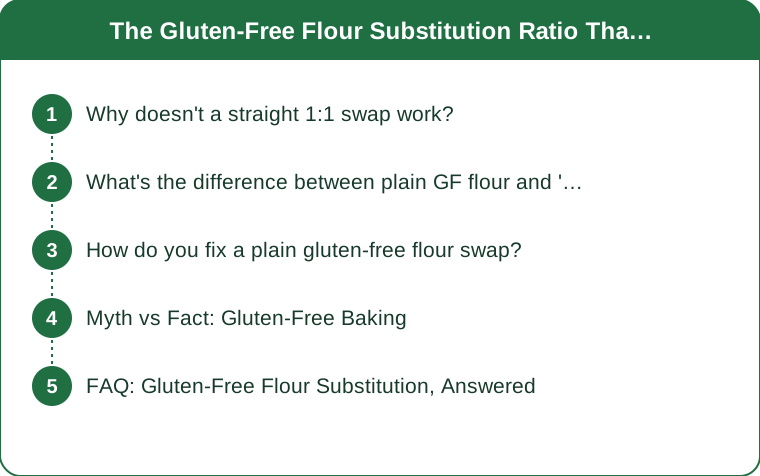
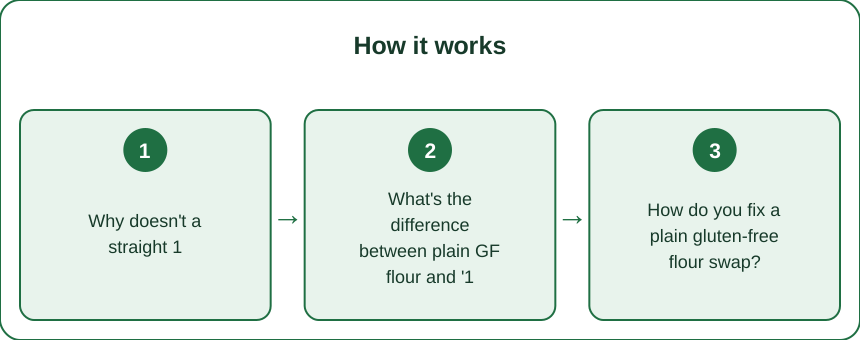
Why doesn’t a straight 1:1 swap work?
Gluten is what gives wheat dough its stretch, structure, and ability to trap air for rise — gluten-free flours have none of that binding structure unless something is added to replace it.
Without a binder, gluten-free baked goods tend to either crumble apart (not enough structure) or turn gummy (too much starch without enough binding), depending on the specific flour blend used.
What’s the difference between plain GF flour and ‘1:1 baking’ blends?
Blends labeled specifically ‘measure for measure’ or ‘1:1 baking flour’ already include xanthan gum or a similar binder, plus a blend of starches and flours engineered to mimic wheat’s texture — these genuinely can replace wheat flour cup-for-cup in most recipes.
Plain gluten-free flour (a single flour like rice or almond, or an unblended mix) does not include those binders and needs help to perform the same job.

How do you fix a plain gluten-free flour swap?
Add xanthan gum at roughly 1/4 teaspoon per cup of flour for most baked goods (slightly more, about 1/2 tsp per cup, for bread that needs more stretch).
Also helpful: increasing egg content slightly (an extra egg or an egg white) adds structure, and letting batter rest 15-20 minutes before baking lets the starches hydrate fully, which noticeably improves texture in many gluten-free recipes.
Myth vs Fact: Gluten-Free Baking
Myth: All gluten-free flours behave the same. Fact: Rice-based, almond-based, and blend-based flours have very different densities and absorption rates — a ratio that works for one often fails for another, so match the flour type to tested recipes when possible.
Myth: More xanthan gum always means better texture. Fact: Too much creates a gummy, slimy texture — more isn’t better past the recommended range; stick close to 1/4-1/2 tsp per cup.
Myth: Gluten-free baking always needs more liquid. Fact: It depends on the flour — some GF blends absorb more liquid than wheat flour, others less. Watch batter consistency against the recipe’s description rather than assuming a fixed adjustment.
FAQ: Gluten-Free Flour Substitution, Answered
Can I use almond flour as a 1:1 swap for wheat flour?
Not reliably on its own — almond flour is denser and has no binding structure; it usually needs to be part of a blend with starches and a binder rather than used alone.
Do I need xanthan gum if my flour blend already contains it?
No — adding more on top of a blend that already includes it usually results in gummy texture. Check the ingredient label first.
Why does my gluten-free bread turn out dense every time?
Often under-proofing (GF dough needs a slightly longer, warmer rise) combined with insufficient binder — try both a longer proof and confirming your binder ratio before troubleshooting further.
TL;DR:
- ‘1:1 baking’ blends include binders and can genuinely swap cup-for-cup; plain GF flours need help
- Add roughly 1/4 tsp xanthan gum per cup (1/2 tsp for bread) if using a plain blend
- Let batter rest 15-20 minutes to let starches hydrate before baking
- Different flour types (rice, almond, blends) absorb liquid differently — match flour to tested recipes
The missing binder, not the recipe, is almost always why a gluten-free swap goes wrong.
Keep Reading
This article is for general informational purposes only and is not medical advice. Always consult a qualified health professional for guidance specific to you.