8 Surprising Places Gluten Hides in Food You'd Never Suspect
Quick Answer: Gluten commonly hides in soy sauce, regular oats (cross-contamination), malt-flavored products, some spice blends and broths, imitation seafood, and certain candies and medications. Always check labels — even on foods that seem naturally gluten-free.
You’ve cut out bread, pasta, and pastries — and you’re still getting symptoms. The problem usually isn’t willpower. It’s the ingredient hiding in something you’d never think to question, like your morning oatmeal or the soy sauce on your stir-fry.

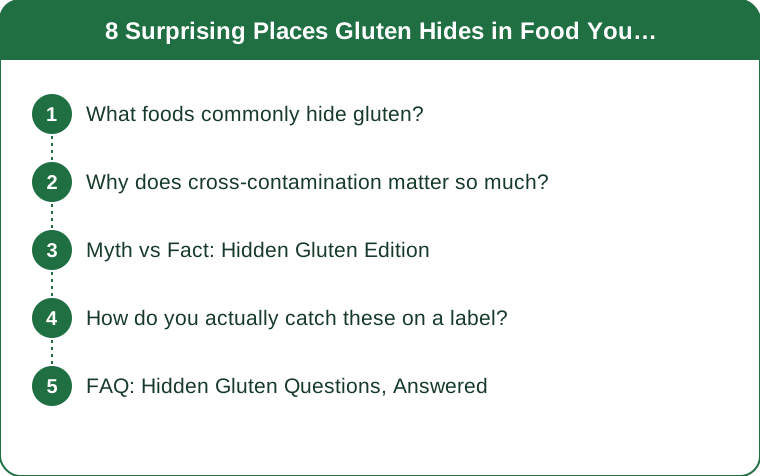
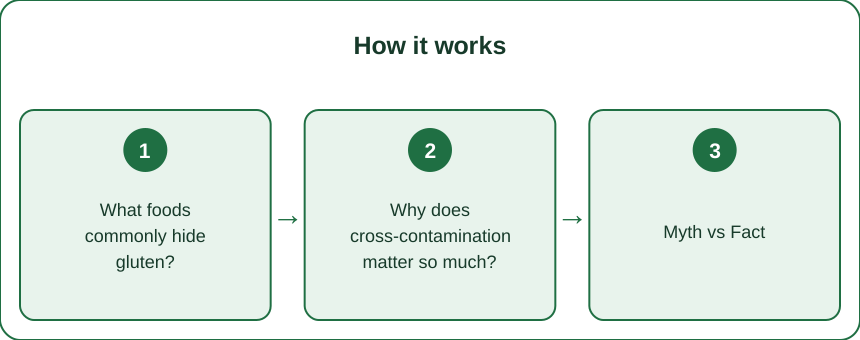
What foods commonly hide gluten?
The usual suspects: soy sauce (wheat-based unless labeled tamari), regular oats (processed on shared wheat equipment), malt anything (malt vinegar, malted milk, some cereals), and broths or bouillon thickened with wheat flour.
Also watch imitation crab and other processed seafood — wheat starch is a common binder — plus some spice blends that use flour as an anti-caking agent.
Why does cross-contamination matter so much?
Oats are the biggest example: they’re naturally gluten-free, but most are grown, harvested, or processed alongside wheat. Studies estimate most standard oats carry meaningful gluten traces unless labeled certified gluten-free.
For anyone with celiac disease, this trace amount is enough to trigger symptoms even though the ingredient list looks clean.

Myth vs Fact: Hidden Gluten Edition
Myth: If it’s a vegetable or plain meat, it’s automatically gluten-free. Fact: Marinades, seasoned frozen vegetables, and pre-seasoned meats frequently add wheat-based thickeners or flavoring.
Myth: ‘Wheat-free’ means gluten-free. Fact: Wheat-free products can still contain barley or rye, both of which contain gluten.
Myth: Medications and supplements don’t matter. Fact: Some pills use wheat starch as a binder or filler — check with a pharmacist if you’re strict gluten-free.
How do you actually catch these on a label?
Look past the ingredient list for ‘may contain wheat’ allergen statements — that’s the cross-contamination flag. Certified gluten-free labels (a specific seal, not just a claim) are tested to under 20ppm.
When eating out, ask specifically about broths, marinades, and fryer oil shared with breaded items — restaurant cross-contact is one of the most common accidental exposure points.
FAQ: Hidden Gluten Questions, Answered
Is all soy sauce off-limits?
No — tamari is typically gluten-free, but check the label since some tamari blends still include wheat.
Are oats ever safe on a gluten-free diet?
Yes, if labeled ‘certified gluten-free,’ meaning they were grown and processed separately from wheat.
Can trace gluten really cause symptoms?
For celiac disease, yes — even amounts too small to taste can trigger a reaction. If symptoms persist despite cutting obvious sources, hidden ones are the next place to check.
TL;DR:
- Soy sauce, regular oats, malt, and broths are the most common hidden sources
- ‘Wheat-free’ does not mean gluten-free — barley and rye still count
- Look for ‘may contain wheat’ allergen statements and certified gluten-free seals
- Cross-contact at restaurants (shared fryers, broths) is a frequent hidden exposure
Audit these 8 categories before assuming a flare-up is unexplained — the answer is often sitting in the pantry. This is general information, not medical advice.
Keep Reading
This article is for general informational purposes only and is not medical advice. Always consult a qualified health professional for guidance specific to you.