The Gluten-Free Flour Aisle, Decoded: What to Buy for What
The gluten-free flour aisle is a crowd of specialists impersonating generalists — and treating any single one as all-purpose is how the hockey-puck muffin era happened. Each flour has a best job. Match them correctly and GF baking stops being an apology.

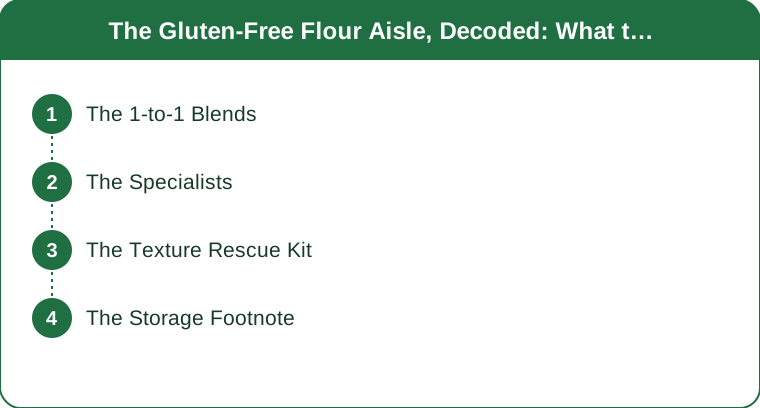
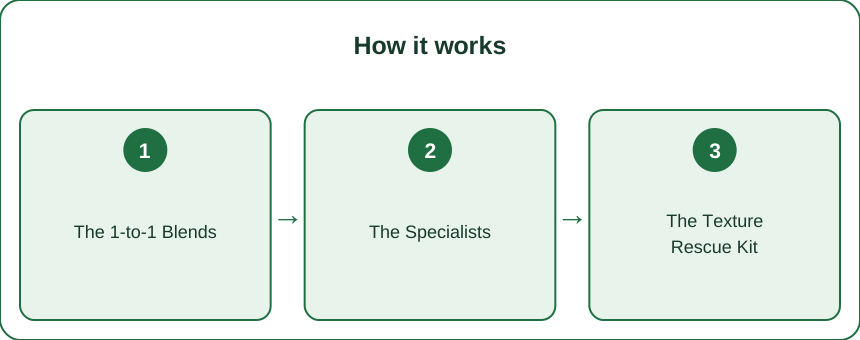
The 1-to-1 Blends
The measure-for-measure blends (rice-starch bases with xanthan gum built in) are the beginner’s correct answer — they swap directly into most normal recipes for cookies, muffins and pancakes. Start here; freelance later. The gum is doing gluten’s stretchy job.
The Specialists
Almond flour: moist, rich, protein-forward — muffins and quick breads, never a 1:1 swap (it laughs at structure). Oat flour: cozy and cheap (blend your own from certified-GF oats) — pancakes’ best friend. Coconut flour: a thirsty diva demanding recipe-specific treatment; never improvise with it.

The Texture Rescue Kit
GF baking’s classic complaints have known fixes: gumminess wants longer, cooler bakes; dryness wants extra moisture (yogurt, applesauce, one more egg); crumbling wants the xanthan the recipe skipped. Also: GF batters like a rest before baking — ten minutes hydrates the starches.
The Storage Footnote
Whole-grain and nut flours carry oils that go sad at room temperature — fridge or freezer storage for almond and brown-rice flours protects the investment. And GF baked goods stale faster: freeze the batch, toast to revive. The muffins were never the problem; the logistics were.
Blends for swapping, specialists for their genres, the rescue kit for texture, cold storage for the flours. The hockey-puck era ended years ago — the aisle just needed a casting director.
Keep Reading
This article is for general informational purposes only and is not medical advice. Always consult a qualified health professional for guidance specific to you.