Why You Can't Just Swap in Gluten-Free Flour One-to-One (and What to Do Instead)
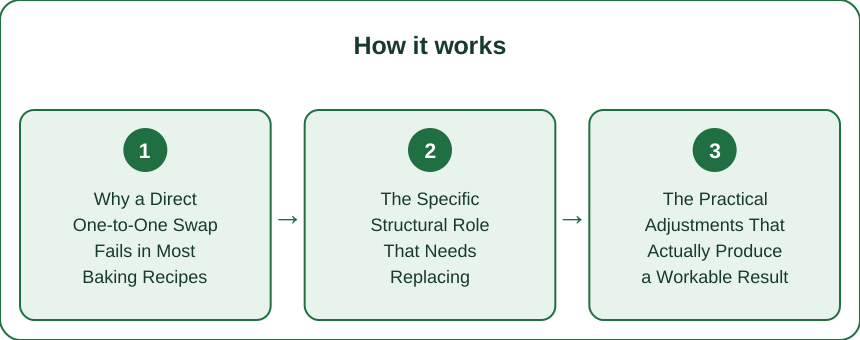
Swapping gluten-free flour into a regular recipe at the exact same measured amount as the wheat flour it’s replacing is one of the most common reasons gluten-free baking attempts turn out crumbly, dense or gummy, since a simple one-to-one substitution ignores the specific structural job gluten was actually doing in the original recipe. Here is why the direct swap fails in most cases, the specific structural role that needs replacing, and the practical adjustments that actually produce a workable result.

Why a Direct One-to-One Swap Fails in Most Baking Recipes
The structural mismatch: the the-gluten-provides-elastic-structure-and-gas-retention-that-holds-a-baked-goods-shape-and-crumb-together-during-baking (the gluten protein network specifically providing the elastic structure that traps gas bubbles and holds a baked item’s shape and texture together as it rises and sets — the the-gluten-protein-network-specifically-provides-the-elastic-structure-that-traps-rising-gas-bubbles-and-holds-a-baked-items-overall-shape-and-final-crumb-texture-together-throughout-the-entire-baking-process), the the-gluten-free-flour-blends-lack-this-elastic-protein-network-entirely-meaning-a-direct-swap-removes-a-structural-function-without-replacing-it-with-anything (the substituting an equal weight or volume of gluten-free flour removing the elastic structural function that gluten was providing, without introducing any replacement for that specific job — the simply-substituting-an-equal-weight-or-volume-of-gluten-free-flour-removes-the-critical-elastic-structural-function-that-gluten-was-providing-without-introducing-any-actual-replacement-for-that-specific-structural-job-in-the-recipe), the the-different-gluten-free-flours-themselves-have-very-different-absorption-and-density-properties-from-each-other-and-from-wheat-flour-meaning-even-among-gluten-free-options-a-uniform-swap-ratio-doesn’t-exist (the significant variation between individual gluten-free flour types in how much liquid they absorb and how dense they are, meaning there’s no single universal substitution ratio even within gluten-free options themselves from the gluten-free-flour-guide logic — the the-significant-variation-between-individual-gluten-free-flour-types-in-how-much-liquid-they-absorb-and-how-dense-they-actually-are-means-theres-no-single-universal-substitution-ratio-that-works-consistently-even-among-different-gluten-free-flour-options-themselves), and the reframe (the direct one-to-one swap’s failure as predictable and structural — removing a load-bearing ingredient’s specific function without replacing it, rather than a simple measurement or ratio problem alone)).

The Specific Structural Role That Needs Replacing
What actually has to be added back: the a-binding-agent-such-as-xanthan-gum-or-psyllium-husk-needs-to-replace-the-elastic-binding-function-that-gluten-was-providing (the specific binding ingredients like xanthan gum or psyllium husk functioning as a direct structural substitute for gluten’s elastic binding role in a recipe — the specific-binding-ingredients-like-xanthan-gum-or-psyllium-husk-function-as-a-fairly-direct-structural-substitute-for-glutens-original-elastic-binding-role-within-a-modified-recipe), the the-many-commercial-gluten-free-flour-blends-already-include-a-binder-built-in-while-single-ingredient-gluten-free-flours-like-plain-almond-or-rice-flour-generally-do-not (the important distinction between a pre-formulated multi-ingredient gluten-free blend, which often already accounts for this structural gap, versus a single specific flour type used alone, which typically doesn’t — the important-distinction-between-a-pre-formulated-multi-ingredient-gluten-free-baking-blend-which-often-already-accounts-for-this-structural-gap-versus-a-single-specific-flour-type-like-plain-almond-or-rice-flour-used-entirely-alone-which-typically-does-not-include-any-such-binder), and the frame (the structural role needing replacement as gluten’s elastic binding function, addressed either by choosing a commercial blend that already includes a binder or by manually adding one like xanthan gum or psyllium husk to a single-ingredient flour — the missing structural piece, not the flour choice alone, is usually the actual fix).
The Practical Adjustments That Actually Produce a Workable Result
The realistic approach: the start-with-a-recipe-specifically-developed-and-tested-for-gluten-free-baking-rather-than-modifying-a-standard-wheat-flour-recipe-yourself-from-scratch (the using a recipe someone else has already tested and adjusted specifically for gluten-free ingredients, rather than attempting to reverse-engineer the necessary adjustments from a standard recipe on your own first attempt — the using-a-recipe-someone-else-has-already-specifically-tested-and-adjusted-for-gluten-free-ingredients-rather-than-attempting-to-reverse-engineer-all-the-necessary-structural-adjustments-yourself-from-a-standard-wheat-flour-recipe-on-a-first-attempt), the the-if-modifying-a-standard-recipe-yourself-use-a-pre-formulated-gluten-free-blend-designed-as-a-cup-for-cup-substitute-and-still-expect-to-need-some-liquid-ratio-adjustment (the choosing a specifically labeled cup-for-cup gluten-free blend as a more forgiving starting point when modifying an existing recipe, while still anticipating some liquid adjustment will likely be needed — the choosing-a-specifically-labeled-cup-for-cup-gluten-free-baking-blend-as-a-considerably-more-forgiving-starting-point-when-attempting-to-modify-an-existing-wheat-flour-recipe-while-still-realistically-anticipating-that-some-additional-liquid-ratio-adjustment-will-likely-still-be-needed), the the-accept-that-the-first-attempt-with-any-new-gluten-free-flour-or-blend-is-genuinely-a-test-batch-and-plan-to-adjust-based-on-the-actual-resulting-texture-rather-than-expecting-a-perfect-result-immediately (the treating a first attempt as a legitimate calibration round rather than expecting immediate success, and adjusting the next attempt based on specifically what went wrong texturally from the why-healthy-baking-substitutions-fail-guide logic — the treating-a-genuine-first-attempt-with-any-new-gluten-free-flour-or-blend-as-a-legitimate-calibration-round-rather-than-expecting-an-immediately-perfect-result-and-planning-to-adjust-the-next-attempt-based-specifically-on-whatever-texture-problem-actually-showed-up), and the frame (the realistic approach as starting from a recipe specifically developed for gluten-free ingredients when possible, using a labeled cup-for-cup blend with anticipated liquid adjustment when modifying an existing recipe, and treating a first attempt as a calibration round rather than expecting immediate perfection — a genuinely different process than simply swapping flours, but a learnable and repeatable one).
A direct one-to-one gluten-free flour swap fails in most baking recipes because it removes the specific structural job gluten was doing — providing the elastic protein network that traps gas bubbles and holds a baked item’s shape and crumb together — without replacing that function with anything, and different gluten-free flours themselves vary so much in absorption and density that no single universal substitution ratio even exists among gluten-free options. The missing piece is usually a binding agent like xanthan gum or psyllium husk, which pre-formulated commercial gluten-free blends often already include while single-ingredient flours like plain almond or rice flour typically don’t. Get a genuinely workable result by starting from a recipe specifically developed and tested for gluten-free ingredients when possible, using a labeled cup-for-cup gluten-free blend with anticipated liquid adjustment when modifying an existing wheat-flour recipe, and treating a first attempt as a legitimate calibration round to adjust from rather than expecting an immediately perfect result.
Keep Reading
This article is for general informational purposes only and is not medical advice. Always consult a qualified health professional for guidance specific to you.